

Solar or photovoltaic panels?
Solar or photovoltaic panels?
Solar and photovoltaic panels are modern systems for absorbing solar energy by radiation and are the main component of solar thermal and photovoltaic systems, respectively. Often equated, the two panels are different in terms of function, materials, weight and size, as well as installation costs and dedicated incentives. Let's delve into the details of how they work.
What are solar panels and how do they work?
Solar Thermal panels absorb solar energy and convert it into thermal energy. The stored heat is transferred to a heat transfer fluid, contained in the panels, and made available for domestic heating and/or hot water production. The solar panels (or collectors), usually located on the roof of the housing structure, are connected to a storage tank (boiler) via hydraulic circuit connectors. Here, cold water coming in from the water mains is heated using the heat transfer fluid and released into the domestic system as hot water.
The solar thermal system can also be supplemented with a boiler or heat pump that comes into operation when the demand for heating and/or hot water is greater than the output of the solar panels. So in cases where due to less exposure to the sun's rays (e.g. at night) the system cannot meet the required energy production.
What are photovoltaic panels and how they work
Unlike solar panels, photovoltaic panels (or modules) absorb solar energy through photovoltaic cells and transform it into electricity through the photovoltaic effect. But how does the process take place?
Sunlight is composed of photons, which strike the silicon (semi-conducting material) inside the photovoltaic cells, releasing electrons. This creates an electrical differential between the upper and lower layers of the cell, which generates a continuous electric current. Since homes and businesses use alternating current, a photovoltaic system also includes an inverter, an electronic device that translates direct current into alternating current.
Throughout the photovoltaic system, electrical current travels through wiring, high-strength electrical cables built to withstand mechanical stress. To prevent overloads or short circuits, the system is additionally equipped with safety systems (such as circuit breakers, residual current devices, limiters, and arresters). Modern photovoltaic systems are then integrated with monitoring systems, for the remote control of the installation, and energy storage systems for the electricity generated by the photovoltaic panels, but not immediately used.
This energy is stored in storage batteries for later use at times of reduced solar radiation.
Looking for a photovoltaic offer?
Buy at zero interest and discover all the advantages of the Prima Vera offer
Would you like a quote for an installation?
Try our simulator to see which photovoltaic panel is right for you
The differences between solar and photovoltaic panels
The main difference between thermal solar panels and photovoltaic panels therefore relates to operation. Thermal solar panels generate thermal energy to heat rooms and produce hot water, while photovoltaic panels generate electricity to power household electrical devices, from lighting to household appliances. However, they also differ due to other elements:
Materials
A solar thermal panel and a photovoltaic panel cover approximately the same area (2 square metres), but have different weights because they are made of different materials. Solar thermal panels, especially if equipped with an integrated tank, are heavier than photovoltaic panels.
Solar thermal panel: the most common type, which is glazed, consists of an upper and lower part held together by a frame. On the surface, a glass plate for the passage of the sun's rays is placed over a copper or steel plate containing the pipes through which the heat transfer fluid passes for heating. The lower part, on the other hand, is equipped with a thermal insulator that reduces heat loss.
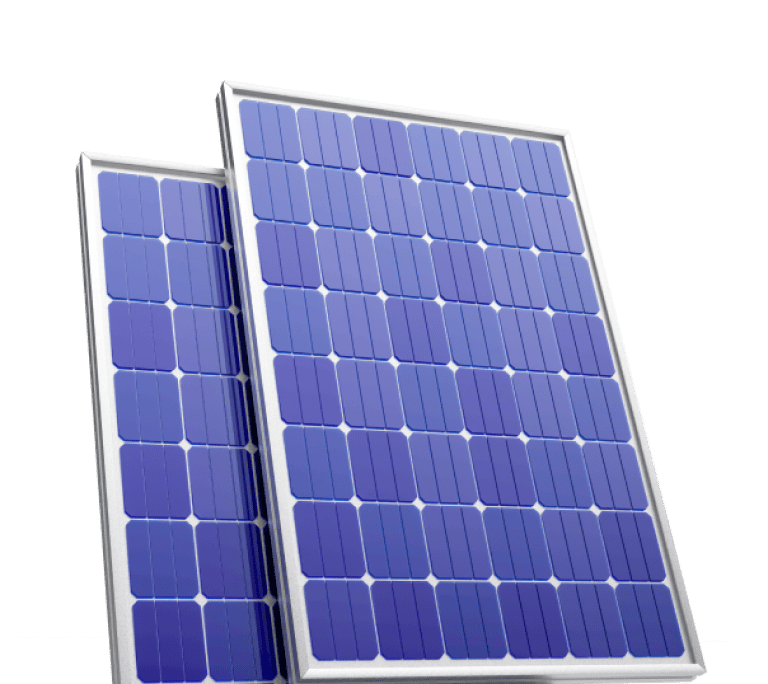
Photovoltaic panel: the most common type consists of silicon photovoltaic cells which, depending on the type and arrangement of the crystals, are divided into:
Monocrystalline silicon cells: the crystals are all the same size and facing the same direction. Monocrystalline silicon boasts high energy efficiency, but is more expensive.
Amorphous silicon cells (thin film): silicon is arranged in small quantities on plastic or glass surfaces to form a thin film of just a few millimetres. This solution works well with large areas and advanced energy production technologies.
Incentives
Whether you choose solar thermal or photovoltaic panels, there are tax incentives available to help with the cost of purchasing and installing the system. Let’s take a look at the main ones:
Solar thermal installation: small-scale interventions to increase energy efficiency and produce thermal energy from renewable sources fall under the GSE's Conto Termico, an incentive aimed at public administrations and private individuals for one or more interventions. More details on the dedicated GSE page.
Photovoltaic system: anyone wishing to install a photovoltaic system can access the Building Renovation Bonus, which provides a 50%* IRPEF (income tax) deduction on expenses incurred in 2025 for the purchase and installation of photovoltaic systems for the first home, and also applies to the purchase and installation of storage batteries.
* In the event that the same expenses are incurred by the holders of the right of ownership or right in rem of enjoyment over the property unit used as the principal dwelling(L. 30 December 2024, no. 207, Art. 1, co. 55(b), no. 1). A principal dwelling is defined as the dwelling in which the natural person, who owns it by way of ownership or other right in rem, or their family members usually reside.
Costs, installation and duration
The cost of installing a photovoltaic system is higher than for a solar thermal system, especially if it is integrated with storage systems. However, it is precisely the latter innovative technology that contributes to energy savings in the long run, with a properly maintained system life of around 20-25 years, compared to the average 15 years for solar thermal panels.
Storage batteries for photovoltaics
If you choose a system with photovoltaic panels, integration with storage batteries (Energy Storage) can make your choice work even better for you, providing savings on your bill with the same consumption, flexibility and energy autonomy.
There are different types of storage batteries: lithium batteries are the most common and can be integrated into the photovoltaic system by means of a storage inverter, with an average lifetime of 10-15 years. The photovoltaic system involves storage batteries at different stages of operation. In the morning, much of the electrical energy produced by the solar panels is used immediately and the surplus is stored in storage batteries. In the afternoon, the storage batteries reach their maximum capacity and release the extra energy to the grid. In the evening and at night, if the energy collected in the storage batteries is not sufficient to meet household needs, then energy from the electricity grid is used.
Photovoltaics for your daily energy needs
Choosing solar thermal panels or photovoltaic panels, or integrating both, depends on your consumption needs; in either case, it is a sustainable, innovative solution that helps the environment and provides savings and benefits in the long run.
Enel Energia is at your side for innovation and energy transformation with cutting-edge photovoltaic products and solutions, including turnkey offers with installation and advantageous insurance included in the price, as well as modern storage kits such as the 3 kW Black Edition photovoltaic system with storage.
Find out how to get more energy for your home, with Enel Energia's power offers, and keep up with the energy transition on enel.it
Verify ZIP Code
Enter the ZIP code of the residence for which you want to activate the offer and check if you're eligible. If the result is positive, you can proceed with the subscription.


Ci dispiace! Sembra che il tuo CAP non rientri tra quelli in cui è possibile sottoscrivere l’offerta
Find out what type of Fiber is available at your address
With Enel Energia Fiber, you always surf at the highest speed available. Enter your address and discover the details of your new connection.
Ci dispiace! L’indirizzo che hai inserito non è ancora raggiunto dalla fibra di Enel Energia
In questo momento non è possibile attivare l’offerta sull’indirizzo indicato perché non è raggiunto dalla fibra di Enel Energia. Puoi sempre verificare un altro indirizzo.
Qualcosa è andato storto
Riprova più tardi
By purchasing the air conditioner, you’ve unlocked an exclusive discount code and are entitled to a reward. Enter the code to receive a €360 bill bonus with the Formidabile Luce offer tailored for you.


Formidabile Luce for you
The Formidabile Luce offer includes a discount on the list price of the energy component for customers switching from the Servizio di Maggior Tutela.

Locked for the first 12 months
Commercialization and Sales Fee
12 €/kWh
Air Conditioner at a Formidable Price
Purchase an Enel X air conditioning system with delivery, standard installation, and ENEA paperwork support included.*
Price air conditioner
, month

Standard installation included
ENEA paperwork support included*
Formidabile Luce for you
The Formidabile Luce offer includes a discount on the list price of the energy component for customers switching from the Servizio di Maggior Tutela.
Locked for the first 12 months
Commercialization and Sales Fee
12 €/kWh