

Green Homes Directive: what it entails
Understanding what is already in force and what is still being defined, so you can plan with awareness.

The Green Homes Directive, Energy Performance of Buildings Directive, EPBD – EU Directive 2024/1275, is European legislation that sets ambitious targets to reduce the Energy consumption of buildings by 2050.
It is an important reference for anyone who owns or wants to purchase a property, but it is essential to understand where Italy stands in its implementation process before drawing operational conclusions.
What is the Green Homes Directive?
The Green Homes Directive is European legislation, Directive (EU) 2024/1275, which establishes progressive Energy efficiency targets for the building stock of EU Member States, with the final objective of achieving climate neutrality in the building sector by 2050, Art. 1.
According to the official text, buildings are responsible for 40% of final Energy consumption in the EU and 36% of Energy-related greenhouse gas emissions. The directive does not impose direct obligations on individual owners of residential properties: it sets aggregate targets at national level and leaves each Member State free to choose the tools to achieve them, including any measures concerning private individuals.
Status of transposition in Italy: what to know first
A fundamental point, often overlooked: Directive (EU) 2024/1275 has not yet been transposed into the Italian legal system. It is not included in the recently approved European Delegation Law, which is the formal step required to start transposition activities.
This has significant practical consequences:
the provisions of the directive that require explicit transposition by Member States are not directly applicable to Italian citizens;
there are currently no legal obligations for homeowners deriving from this directive;
the tax incentives currently available in Italy, such as the Home Bonus, Ecobonus and others, exist independently of the directive and are based on national tax legislation.
Knowing the directive is useful for guiding long-term choices and understanding the direction in which European policy is moving, but today’s operational decisions must refer to the Italian regulations currently in force, not to European targets that have not yet been transposed.
The European targets: the directive timeline
The directive sets precise intermediate steps that Member States are called upon to transpose and implement according to their own national tools. Here is the framework of the European targets:
| Deadline | Building type | Directive objective |
|---|---|---|
|
1 January 2028 |
New Public Buildings |
Obligation to construct zero-emission buildings, Art. 7, para. 1, letter a. |
|
1 January 2030 |
All new buildings, residential and non-residential |
All new buildings must be zero-emission buildings, Art. 7, para. 1, letter b. |
|
By 2030 |
Existing Residential Building Stock |
Reduction of at least 16% in average primary Energy consumption compared to 2020, Art. 9, para. 2, letter a. |
|
By 2035 |
Existing Residential Building Stock |
Reduction of at least 20–22% in average primary Energy consumption compared to 2020, Art. 9, para. 2, letter b. |
|
By 2040 |
All Member States |
Each State must indicate in its national plans the specific deadlines for the progressive phase-out of fossil-fuel boilers in heating and cooling, Art. 3, para. 2, letter b; recital 14. This is not an automatic ban, but a national planning objective. |
|
By 2050 |
Total Building Stock |
Achievement of full climate neutrality: transformation of the entire building stock into zero-emission buildings, Art. 1. |
Member States have flexibility in defining which buildings to renovate as a priority, with a focus on the worst-performing properties.
The pillars of the directive: what it entails at European level
The directive identifies a number of main guidelines for the building sector.
End of incentives for fossil-fuel boilers
From 1 January 2025, Member States can no longer offer public incentives for the installation of stand-alone boilers powered by fossil fuels, Art. 15a. This is a ban addressed to States, not to private individuals: owners can still install and maintain these boilers, but they cannot receive public subsidies to do so.
By 2040, each State must also have defined, in its national plans, a pathway for the progressive reduction of the use of fossil fuels in heating and cooling, Art. 3, para. 2, letter b. This is not an automatic ban on use, but a national planning obligation.
As for alternative technologies, the directive does not indicate a single mandatory solution: Member States can move towards heat pumps, hybrid systems, connection to district heating networks, solar thermal systems or other low-emission solutions, depending on their own Energy and climate context.
Solar energy
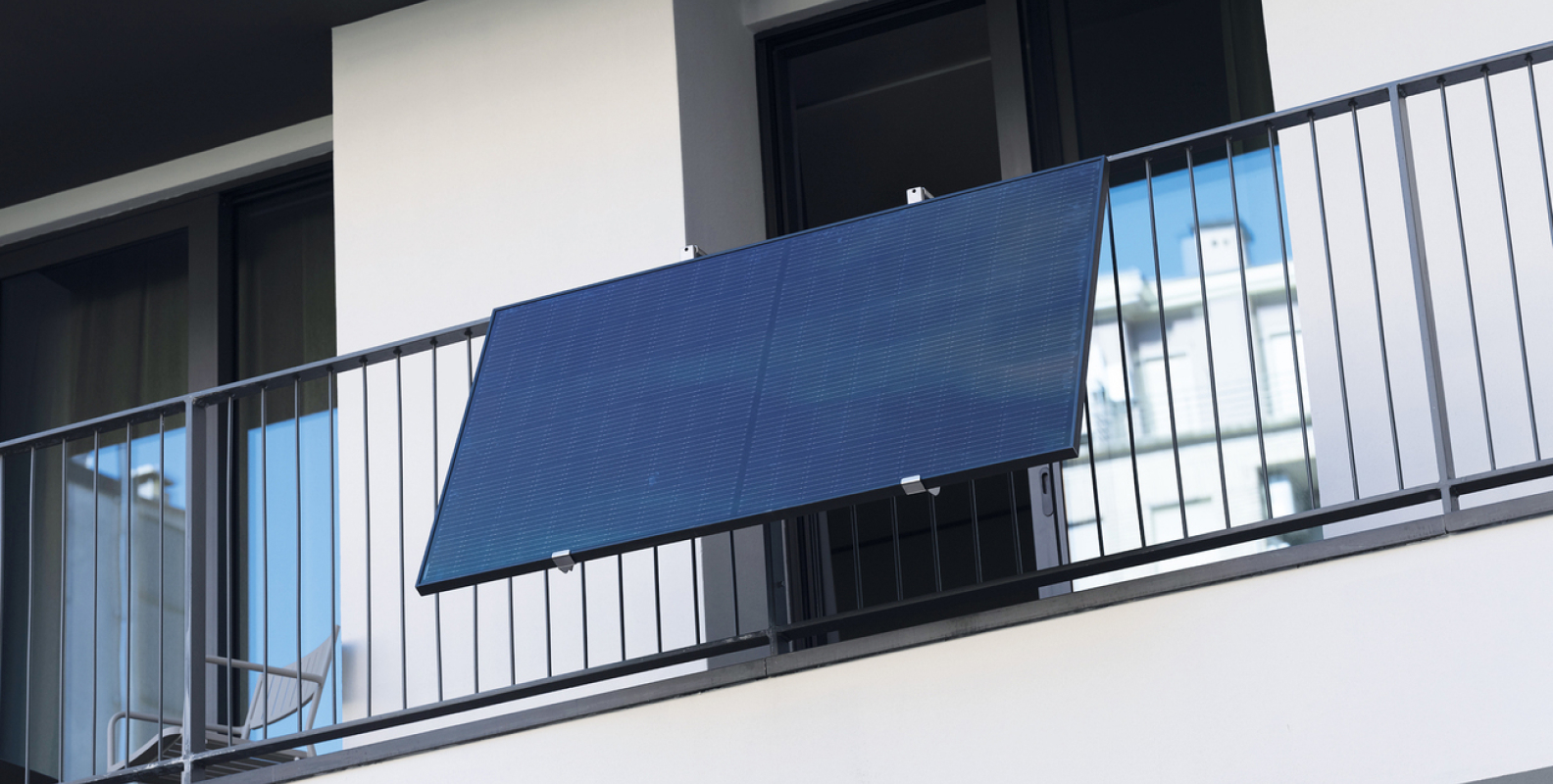
Solar Energy plays a central role in the European plan. The directive provides for the gradual installation of solar systems on new residential buildings and on existing buildings undergoing major renovations that require a building permit, Art. 10.
Progressive improvement of Energy performance
Existing buildings will have to progressively reduce their consumption, with interventions that may include thermal insulation, replacement of window frames and system upgrades.
The incentives currently available in Italy
For 2026, several tax tools supporting Energy efficiency interventions have been confirmed.


50% Home Bonus
For the main residence, the 50% deduction dedicated to building renovation interventions is active. This relief also includes incentives for the installation of Photovoltaic systems, providing for a maximum spending ceiling of €96,000. Access conditions and rates are subject to frequent regulatory updates. Before starting the works, it is strongly recommended to check the updated situation directly on the Italian Revenue Agency website.
Ecobonus
Specific relief is provided for those carrying out interventions that improve the Energy class of the building. The rates are proportionate to the depth of the Energy saving achieved.
Green mortgage
Several banks offer loans at preferential rates for those who purchase or renovate high Energy efficiency properties. These products take into account the lower risk of the property and its higher market value.
The value of the APE certification
The Energy Performance Certificate, APE, is a tool that is already fully operational in the Italian legal system, independently of the European directive. An updated and correct APE makes it possible to:
- identify exactly where the building disperses Energy;
- plan interventions with the best cost-benefit ratio;
- access the highest tax incentives;
- enhance the value of the property in the event of sale or lease.
From 2026, checks on the truthfulness of certifications are stricter.
Why it makes sense to plan today, with the right perspective?
Even in the absence of immediate obligations deriving from the directive, there are good reasons to evaluate Energy efficiency interventions:
concrete savings, to reduce bill costs from the first year;
tax benefits, to take advantage of current deductions before any regulatory changes;
market value, to make the home more competitive and ready for future requirements in the real estate sector;
logistical planning, to secure the best prices and the availability of companies.
Frequently asked questions
Is the Green Homes Directive already in force in Italy?
The European directive was published in 2024, but it has not yet been transposed into the Italian legal system. It is not included in the recent European Delegation Law, which is the formal step that starts transposition activities. Many of its provisions require explicit transposition in order to produce effects for Italian citizens: at present, no direct obligations for property owners in Italy derive from the directive.
What happens if I do not improve the Energy efficiency of my home?
There are currently no direct penalties for individual owners deriving from the directive. The concrete and current risk is economic in nature: a home with a low Energy class tends to be less attractive on the market, because potential buyers take adjustment costs into account. The directive provides that, once transposed, any penalties will be defined by the individual Member States, taking into account the financial situation of owners, Art. 34.
Do I have to install solar panels by law?
Today in Italy there is no general installation obligation deriving from the Green Homes Directive, which has not yet been transposed. At European level, the directive provides for the gradual installation of solar systems on new buildings and on existing buildings undergoing major renovations that require a building permit, but its concrete application will depend on the choices Italy makes during the transposition phase.
Does the solar panel obligation also apply to condominiums?
At European level, condominiums are among the main recipients of the provisions of the directive. In the event of major renovations or interventions requiring administrative authorization, the installation of solar systems on common parts may become mandatory where technically appropriate and economically and functionally feasible, Art. 10, para. 3, letter c, but only after transposition in Italy.
Are there exemptions for historic buildings?
Yes. The directive provides that buildings officially protected by virtue of their particular architectural or historical value may be excluded from Energy efficiency obligations where the interventions would unacceptably alter their character or appearance, or where renovation is not technically or economically feasible, Art. 9, para. 6, letter a. This exemption will have to be transposed and specified by Italian legislation.
Are the current incentives linked to the Green Homes Directive?
No. The incentives currently available in Italy, such as the Home Bonus, Ecobonus and green mortgages, are based on national tax legislation and not on the Green Homes Directive. They existed before the directive and continue to be accessible regardless of its transposition.

Was what you read useful? Leave us a review by clicking here 👇
You may also be interested in ...
Verify ZIP Code
Enter the ZIP code of the residence for which you want to activate the offer and check if you're eligible. If the result is positive, you can proceed with the subscription.


Ci dispiace! Sembra che il tuo CAP non rientri tra quelli in cui è possibile sottoscrivere l’offerta
Find out what type of Fiber is available at your address
With Enel Energia Fiber, you always surf at the highest speed available. Enter your address and discover the details of your new connection.
Ci dispiace! L’indirizzo che hai inserito non è ancora raggiunto dalla fibra di Enel Energia
In questo momento non è possibile attivare l’offerta sull’indirizzo indicato perché non è raggiunto dalla fibra di Enel Energia. Puoi sempre verificare un altro indirizzo.
Qualcosa è andato storto
Riprova più tardi
Discounted offer
By purchasing the air conditioner, you’ve unlocked an exclusive discount code and are entitled to a reward. Enter the code to receive a €360 bill bonus with the Formidabile Luce offer tailored for you.

The offer includes a Power contract with a €10 monthly bill bonus for 36 months and an air conditioner starting from €19.90 per month. APR 7.48% and Annual Percentage Rate of Charge 7.74%.
Power

Formidabile Luce for you
The Formidabile Luce offer includes a discount on the list price of the energy component for customers switching from the Servizio di Maggior Tutela.
Locked for the first 12 months
Commercialization and Sales Fee
12 €/kWh
Air Conditioner at a Formidable Price
Purchase an Enel X air conditioning system with delivery, standard installation, and ENEA paperwork support included.*
Price air conditioner
, month

Standard installation included
ENEA paperwork support included*