Tips to reduce air conditioner consumption
Choose an energy-efficient air conditioner
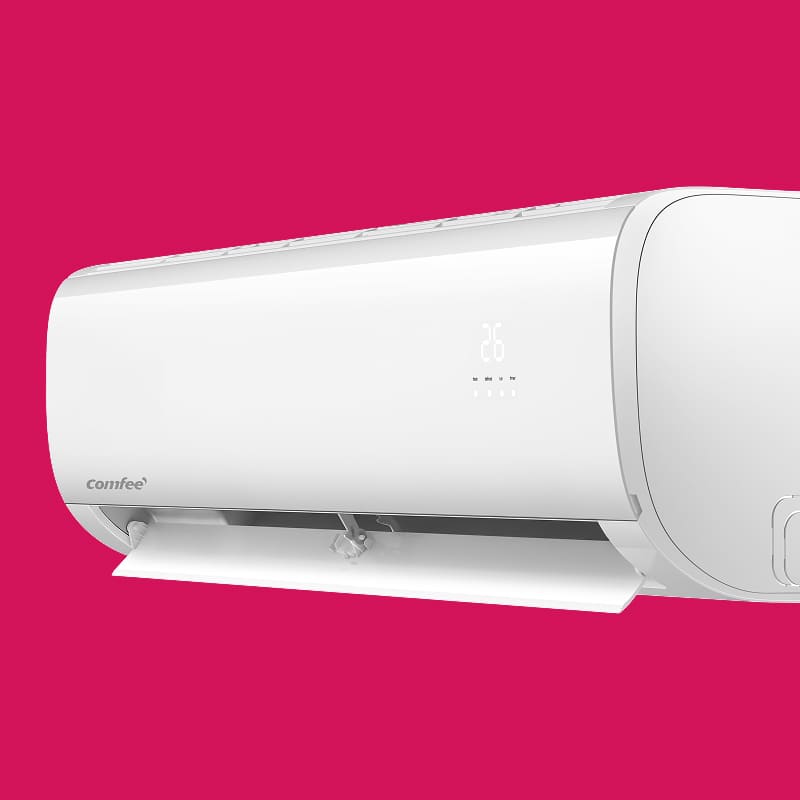
The first step to reduce energy consumption, not only in the summer, but throughout the year, is to choose an energy-efficient air conditioner, preferably class A+ or higher, that handles both cooling and heating modes. By replacing an obsolete air conditioner with a better performing model, you can optimise your energy consumption and achieve optimal performance all year round. For a more sustainable, efficient choice, it is also important to opt for an air conditioner that uses the latest generation of R32 refrigerant gas, currently the one with the least impact on the environment.
Discover Enel Energia Clima advanced technology and efficiency for your daily comfort, in every season.
Set the ideal temperature
One of the most common mistakes related to air conditioner use is temperature regulation. People often tend to set the minimum temperature to cool the room faster, but this causes increased energy consumption. The temperature inside your home should in fact remain between 24-26 degrees centigrade. It is advisable to maintain a maximum difference of 6-7°C to the outside temperature, although two or three degrees less is often sufficient.
Use the dehumidification function
The 'dry' or dehumidification mode is particularly effective on muggy days, when humidity affects home comfort and causes the perception of a much higher than actual temperature. This function therefore allows a cooler feel without lowering the temperature too much and with lower energy consumption, operating at lower power and shorter duty cycles and optimising the energy efficiency of the appliance.
The ideal solution to optimise air conditioner use in summer would be to alternate cooling mode with dehumidification mode in order to maintain living comfort without overloading the system and avoiding energy waste.
Only use the air conditioner where it is needed
Cooling unoccupied rooms is a significant waste of energy. It is essential to concentrate air conditioner use in the spaces actually used, closing the doors of empty rooms and switching off the appliance when leaving the room for long periods. Fans are a valid help: ceiling or floor fans, which, in combination with air conditioners, allow for better distribution of fresh air and correctly manage the temperature set on the air conditioner.
Keep doors and windows firmly closed
Preventing the dispersion of conditioned air is essential to avoid unnecessary energy waste. This requires proper thermal insulation in order to guarantee air conditioner efficiency. It is a good idea to keep doors and windows closed while the air conditioner is running in order to avoid heat loss that would force the system to overwork to maintain the desired temperature. Fitting blackout curtains or blinds can also be useful for reducing solar heat input and significantly lowering the thermal load in the room. Low-emissivity glazing or reflective films applied to windows can also help shield the sun's rays and keep the interior temperature stable, reducing the need for cooling.
Other clever tricks to avoid waste
In addition to the most common strategies, there are clever tricks that can make a difference in the efficient air conditioner use and in reducing energy consumption. First of all, schedule the switching on and off of the appliances according to the times of actual use, thanks to the timer function.
Also not to be underestimated is the location of the air conditioner. It is advisable to avoid placing the unit near windows exposed to direct sunlight and heat sources such as ovens, lamps or electronic equipment that could distort the perception of temperature, forcing the air conditioner to work harder.
During cooler hours, such as in the early morning or evening, when the temperature drops, doors and windows can be opened to air the rooms and take advantage of natural ventilation.