

Daylight saving time: more power to manage your energy
With the arrival of daylight saving time, the days are getting longer and natural light is with us longer. This means being able to delay turning on the lights, make better use of the space in your home during daylight hours, and rethink some daily activities more efficiently. Turning on the lights only when needed, taking advantage of natural light for daytime activities, and programming appliances are simple actions that, if repeated daily, make a difference both to your bill and for the environment.
How to optimize household energy consumption
Taking advantage of daylight saving time means adapting your household routine to the increased availability of natural light. If you can, concentrate some household activities during the hours when the house is naturally brighter, such as laundry, smart working, meal preparation, or children's activities. Here are some examples of good practices for energy saving:
Schedule laundry and dishwashers during daylight hours or during strategic time slots for energy saving. Furthermore, filling the drum completely and choosing Eco programs allows you to save energy and water;
Turn off lights and unused devices; even appliances on standby consume energy: turn them off when not needed and reduce unnecessary consumption;
Ventilate the house during the hottest hours, opening windows strategically to circulate fresh air, thus reducing the use of air conditioning or heating and optimizing home comfort;
Take advantage of natural lighting for reading, working, or cooking, reducing the use of lamps and light bulbs. Even a different organization of your spaces—such as temporarily moving a workstation near a window—can help you use less artificial light during the day.
Use your oven and stovetop wisely, preparing multiple dishes at once, covering pots and pans, and turning off the oven a few minutes before the end of the cycle to reduce consumption.
Use LED light bulbs and high-energy-class appliances to achieve significant long-term savings on your energy bill.
In other words, making the most of daylight saving time means turning a seasonal change into a concrete opportunity to reduce household energy consumption. And if you combine these habits with solutions tailored to your consumption profile, the benefits can become even more evident over time.
Enel solutions for smart energy management
Every home has different needs: some concentrate their energy consumption in the evening, others spend most of their time at home during the day, some want to understand how to optimize their bill, and others are considering a more structured investment like photovoltaic. That's why it's helpful to be able to rely on solutions designed for different consumption habits.


Power offers
Enel's power offers are designed to adapt to your consumption patterns. With flexible rates, you can optimize your energy use during the most cost-effective time slots and reduce the impact on your bill. If, with daylight saving time, you spend more time at home during daylight hours or concentrate certain activities at specific times of the day, choosing a solution consistent with your habits can help you manage your consumption more efficiently.
Photovoltaic
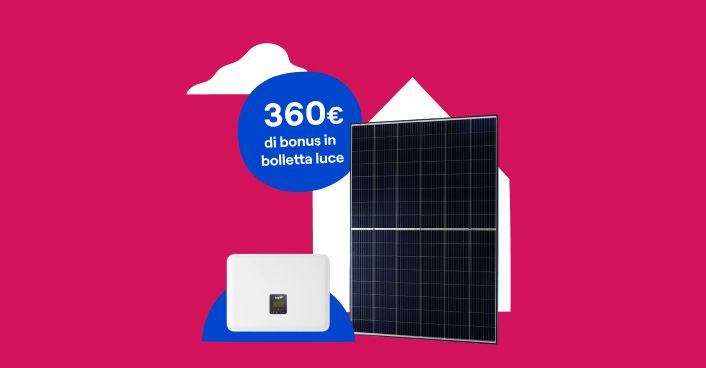
Integrating photovoltaic into your home means maximizing natural light to produce clean energy and reduce your bill. Thanks to the solutions offered by Enel, you can generate your own energy, store it, and use it when needed, optimizing your household consumption and contributing to environmental sustainability.
During a time of year when daylight hours are increasing, photovoltaic systems become even more attractive for those who want to leverage solar energy and increase their home's energy autonomy.
Ti potrebbe interessare anche ...

Verify ZIP Code
Enter the ZIP code of the residence for which you want to activate the offer and check if you're eligible. If the result is positive, you can proceed with the subscription.


Ci dispiace! Sembra che il tuo CAP non rientri tra quelli in cui è possibile sottoscrivere l’offerta
Find out what type of Fiber is available at your address
With Enel Energia Fiber, you always surf at the highest speed available. Enter your address and discover the details of your new connection.
Ci dispiace! L’indirizzo che hai inserito non è ancora raggiunto dalla fibra di Enel Energia
In questo momento non è possibile attivare l’offerta sull’indirizzo indicato perché non è raggiunto dalla fibra di Enel Energia. Puoi sempre verificare un altro indirizzo.
Qualcosa è andato storto
Riprova più tardi
By purchasing the air conditioner, you’ve unlocked an exclusive discount code and are entitled to a reward. Enter the code to receive a €360 bill bonus with the Formidabile Luce offer tailored for you.


Formidabile Luce for you
The Formidabile Luce offer includes a discount on the list price of the energy component for customers switching from the Servizio di Maggior Tutela.
Locked for the first 12 months
Commercialization and Sales Fee
12 €/kWh
Air Conditioner at a Formidable Price
Purchase an Enel X air conditioning system with delivery, standard installation, and ENEA paperwork support included.*
Price air conditioner
, month

Standard installation included
ENEA paperwork support included*