

Smart thermostat: how and why to choose it

In recent years, the conscious use of energy to reduce domestic consumption without compromising comfort has become an increasingly central theme in our daily lives. In this scenario, the smart thermostat is one of the most innovative solutions to manage home heating. In this guide we find out how it works, the advantages it offers, and how to choose the one best suited to your needs.


What is a smart thermostat
A smart thermostat is a device that gives you easy, efficient control of your heating and air conditioning according to the temperature you want. Unlike traditional thermostats, which require manual adjustment, smart thermostats can also be controlled remotely using apps installed on mobile phones or synchronisation with voice assistants.
How does a smart thermostat work?
One of the most advanced aspects of a smart thermostat is its ability to automatically detect and adjust the temperature according to environmental conditions. Built-in temperature sensors constantly detect the heat or cold in the room and, based on the data collected, the device adjusts the temperature to keep it at the required level at all times. In this way, if the outside temperature changes suddenly, the thermostat immediately adapts to maintain a comfortable temperature in the home.
Setting your smart thermostat
To set your smart thermostat:
- Connect the device to your home Wi-Fi;
- Download the dedicated app (available for all smartphones), which will allow you to access the device remotely and manage your home temperature even when you are away from home.
- If possible, synchronise your home automation thermostat with voice assistants such as Amazon Alexa and Google Assistant and control the temperature directly with voice commands.
One of the greatest advantages of these devices is the advanced customisation of settings. You can set a different temperature for each room, according to your needs. For example, during the day, you can keep the temperature in the living room higher while at night you can set a slightly cooler temperature in the bedroom.
Time slots can also be customised: in fact, you can adjust the temperature according to your daily routine, programming the heating to turn off when you are out and on before you return. The geolocation function can be very useful in this respect: some smart thermostats detect your position via the GPS on your mobile phone and when you are a short distance from home they can start the heating or air conditioning, so that when you arrive, the temperature in your home is ideal.
What are the advantages of the smart thermostat?
The smart thermostat has concrete benefits that improve your home experience in many ways, in particular:
- Energy saving: allows you to monitor the temperature and thus reduce consumption from heating and air conditioning, only using the systems when it is really necessary. In this way, you can avoid unnecessary waste and maximise your overall energy savings.
- Convenience and Comfort: by adapting to your home lifestyle, it allows you to have the ideal temperature at all times of the day, without the need for manual adjustment.
- Remote control: offers you the possibility to remotely control the temperature in your home. Wherever you are, you can use the app to monitor the temperature, turning on the heating or air conditioning to ensure you have a comfortable environment when you return. This function is particularly useful in case you forget to turn off your heating or air conditioning: the remote control allows you to avoid unnecessary expenditure by allowing you to switch them off even when you are out of the house.
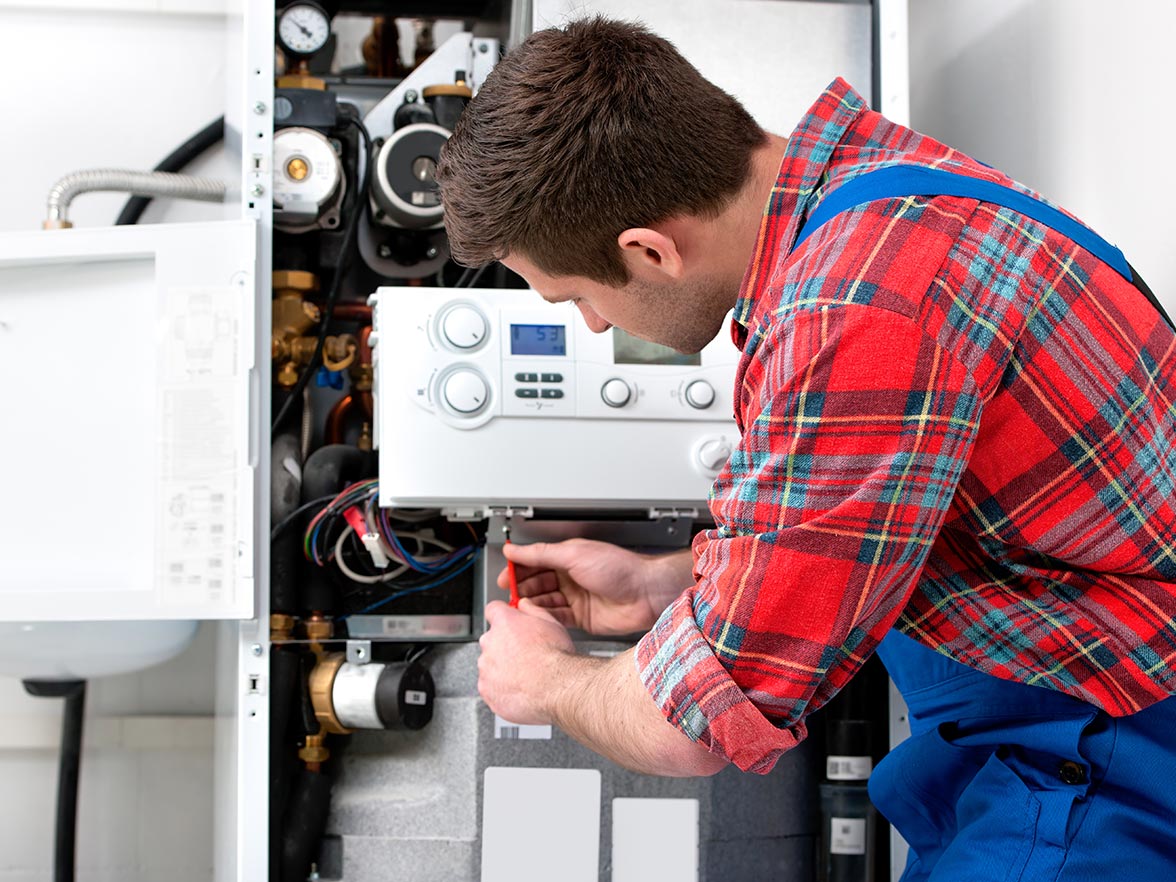
How to choose the right smart thermostat for your home
But what are the factors to consider when looking for the smart thermostat that best suits the needs of your home?
The compatibility of the thermostat with the existing heating system is one of the most important elements to take into account: not all devices are compatible with all systems (e.g. some work better with underfloor systems, while others are better suited to radiators).
The installation method also influences your choices: some models are designed for DIY installation, while others require the intervention of a technician, and therefore a higher financial outlay.
When making this purchase, don’t forget to consider features such as the size of the device: a large model shows a high amount of information on the display, such as date, time, temperature and programme settings. The digital display, usually an LCD, can make reading easier, and some models with backlighting also allow data to be read at night.
If you have other smart devices in your home, make sure the thermostat is compatible and can be integrated with home automation, so you can have a fully automated environment without difficulty. Lastly, choose a model with daily programming if your daily routine is likely to always be the same, while weekly programming might be more suitable if you anticipate changes in your schedule during the week and want to adapt the home temperature as much as possible to your schedule.


Verify ZIP Code
Enter the ZIP code of the residence for which you want to activate the offer and check if you're eligible. If the result is positive, you can proceed with the subscription.


Ci dispiace! Sembra che il tuo CAP non rientri tra quelli in cui è possibile sottoscrivere l’offerta
Find out what type of Fiber is available at your address
With Enel Energia Fiber, you always surf at the highest speed available. Enter your address and discover the details of your new connection.
Ci dispiace! L’indirizzo che hai inserito non è ancora raggiunto dalla fibra di Enel Energia
In questo momento non è possibile attivare l’offerta sull’indirizzo indicato perché non è raggiunto dalla fibra di Enel Energia. Puoi sempre verificare un altro indirizzo.
Qualcosa è andato storto
Riprova più tardi
By purchasing the air conditioner, you’ve unlocked an exclusive discount code and are entitled to a reward. Enter the code to receive a €360 bill bonus with the Formidabile Luce offer tailored for you.


Formidabile Luce for you
The Formidabile Luce offer includes a discount on the list price of the energy component for customers switching from the Servizio di Maggior Tutela.
Locked for the first 12 months
Commercialization and Sales Fee
12 €/kWh
Air Conditioner at a Formidable Price
Purchase an Enel X air conditioning system with delivery, standard installation, and ENEA paperwork support included.*
Price air conditioner
, month

Standard installation included
ENEA paperwork support included*