With the spread of electric cars, charging has become a central aspect of mobility. Today there are solutions that allow you to manage charging in a more efficient, sustainable and often more convenient way: this is the case of smart charging, which uses connectivity and software to plan and modulate when and how much Energy to draw, both at home and for electric charging of company fleets.

Smart charging: what is it?

An intelligent charging system allows you to dynamically manage the flow of Energy based on user preferences, external conditions and technical constraints. To do this, it relies on communication between the vehicle, the charging infrastructure and the electricity grid, and, where applicable, also on the integration of Energy management systems, such as home automation and Energy Management Systems (EMS).

How smart charging works

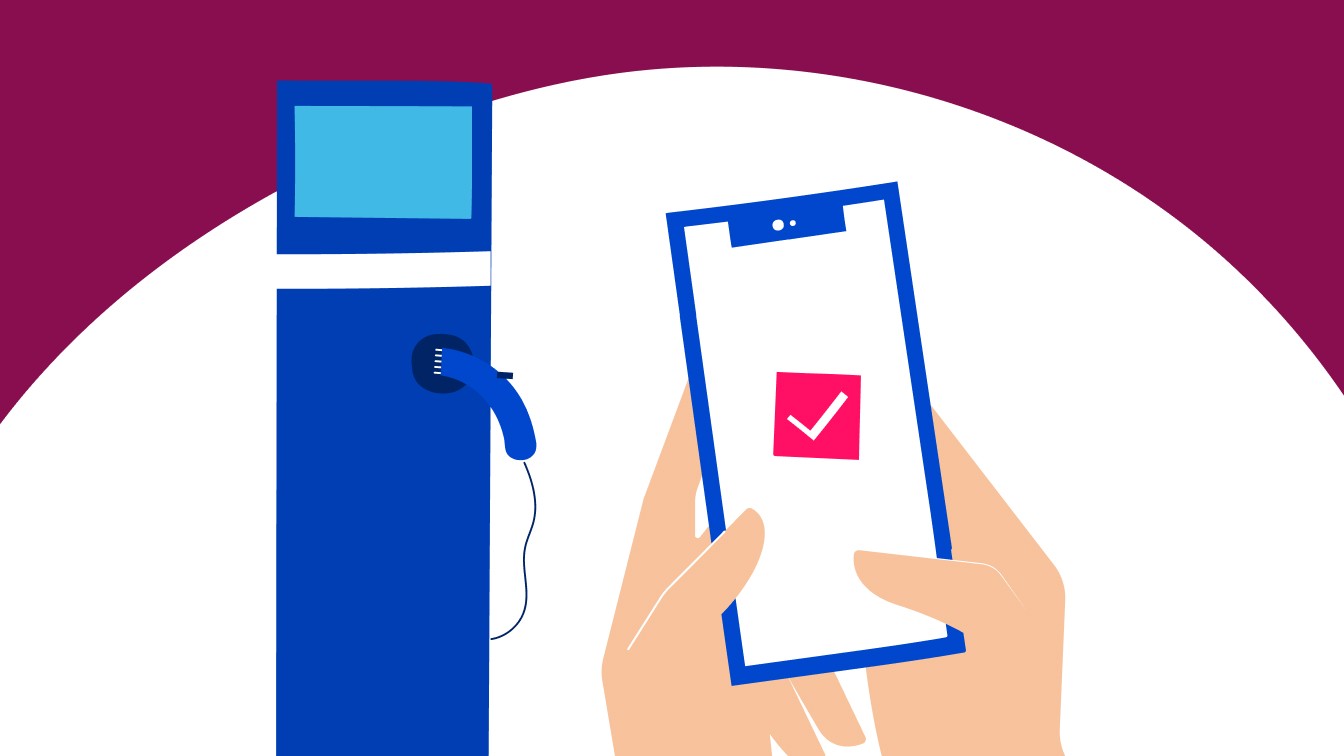
Unlike traditional charging, where you connect the electric car to the charging point and charging is delivered at the maximum available power, smart charging uses rules and data (user preferences, available power, tariffs, household consumption, grid needs) to decide when and how much to recharge, often via App. In this way it allows you to:

  • Schedule charging (such as at night or during the cheapest time bands);

  • Modulate power based on home/company consumption and/or grid needs;

  • Avoid peaks and system overloads;

  • Use self-produced Energy (for example when combining the charging point with a photovoltaic system), increasing self-consumption.

Let’s look in detail at some cases in which smart charging offers concrete advantages.

Electricity tariff optimisation
Dynamic load management
Integration with Photovoltaic
Participation in Energy Flexibility Programs
Bidirectional charging

Electricity tariff optimisation

Through smart charging, if you have an electricity tariff that varies based on time bands, you can configure it in the App and the charging point will charge only during the time bands in which the tariff is more advantageous, in line with your charging preferences (desired charge level and departure time).

Dynamic load management

Through smart charging, it is possible to manage charging power dynamically based on the consumption of other household loads, ensuring that the maximum power of the home meter is never exceeded and reducing peaks.

Integration with Photovoltaic

Smart charging automatically manages car charging based on the production of your Photovoltaic system. When the panels generate excess Energy, the system increases the charging power; if, on the other hand, you prefer to maximise savings, you can set charging to use only solar Energy, thus avoiding drawing from the grid.

Participation in Energy Flexibility Programs

Smart charging stations can participate in Energy Flexibility Programs promoted by grid operators, which involve modulating the power of smart devices across the national territory, including charging stations, in order to reduce consumption during periods of high congestion in the electricity grid.


Participation in these programs not only helps improve the stability and efficiency of the electricity system, but also allows you to obtain economic benefits.

Moreover, smart charging is an integral part of the concept of smart grids, digital and interactive electricity networks that manage in real time the production, distribution and consumption of Energy. This enables coordinated Energy management on a large scale, integrating vehicles, electrical systems and Renewable energies into a cohesive and flexible system.

Bidirectional charging

Bidirectional charging is one of the most advanced developments of smart charging. The Vehicle-to-Grid (V2G) mode allows the car not only to draw Energy from the grid, but also to feed it back when needed. In Vehicle-to-Home (V2H) mode, the Energy stored in the charging vehicle can be used to power household loads in the same way as a residential storage system.

For the individual user, this can translate into economic incentives, reimbursements or bill discounts. For the community, this means greater flexibility of the electricity system and less need for fossil-based support sources.


Devices and technologies for smart charging

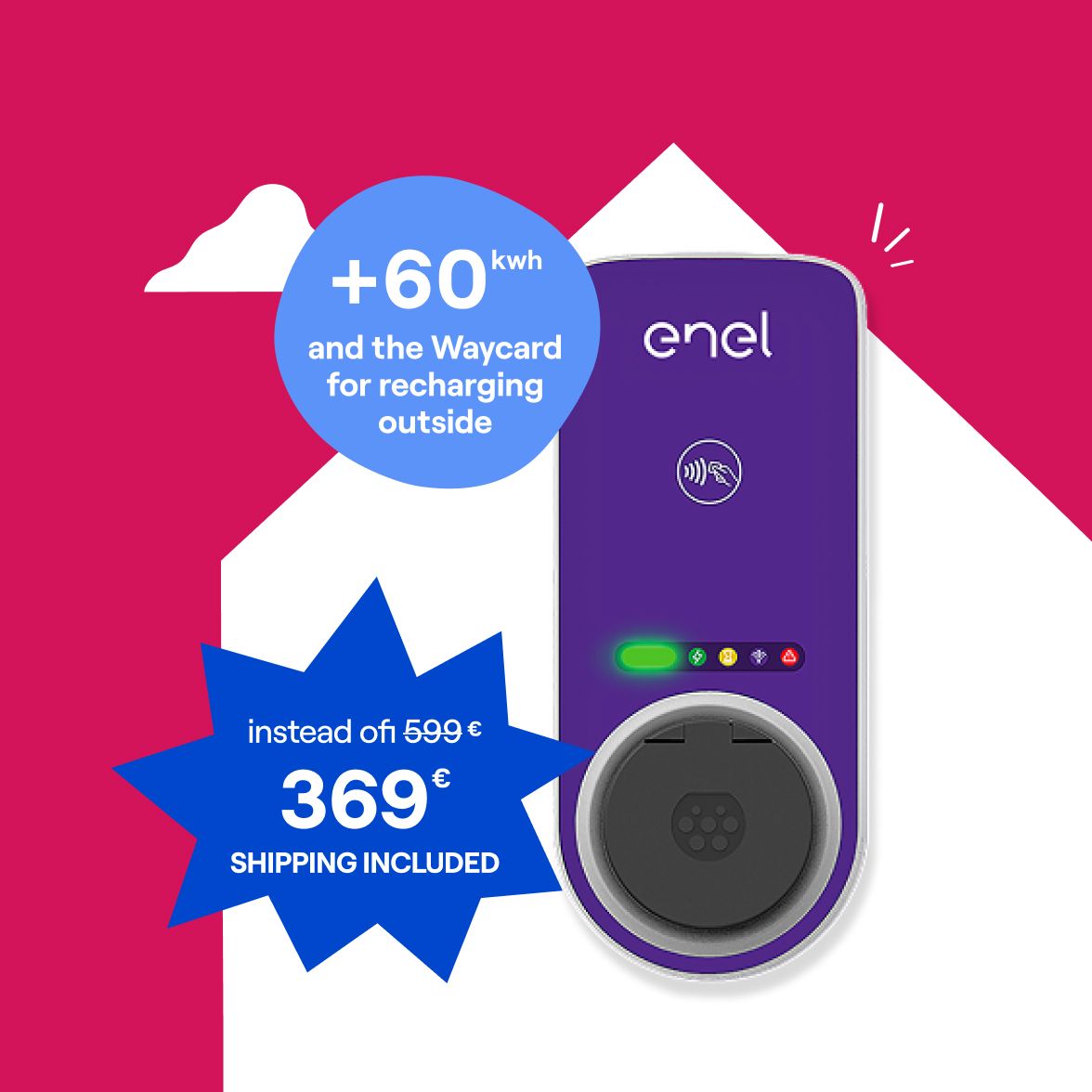
At the core of smart charging are intelligent charging points and connected home charging devices, such as Enel’s Waybox, which allow:

  • management and monitoring via App;

  • scheduling of charging times;

  • optimisation of charging based on the electricity tariff;

  • power modulation;

  • optimisation of household loads and the Energy produced by Photovoltaic.

Home charging points typically operate in alternating current (AC) with a Type 2 connector and are designed to be compatible with most electric vehicles, with software updates that extend their functionalities over time.

Smart charging is based on an ecosystem of tools that make charging more efficient, flexible and easy to manage. Among the main ones are smart wallboxes, i.e. advanced home or business charging devices equipped with an internet connection, which communicate with the electricity grid and home automation systems. They allow management via app, authentication with RFID for secure use and load balancing, which automatically adjusts power to avoid overloads.

Waybox: much more than car charging

Waybox Enel in offerta Waybox Enel in offerta Waybox Enel in offerta

Smart charging: all the advantages

Smart charging is not only a technological innovation, but a tangible benefit in the daily life of those who drive an electric car. Thanks to the combination of connectivity, data analysis and automation, intelligent charging allows:

  • Economic savings: smart charging makes it possible to significantly reduce the cost of charging an electric car by taking advantage of time bands with lower electricity tariffs.

  • Optimisation of Energy consumption: the intelligent system monitors in real time the price of Energy, grid demand and battery status, adjusting charging to avoid consumption peaks and overloads.

  • Automation and comfort: once preferences are set, charging takes place automatically when it is most convenient, without the need for manual intervention by the user.

  • Environmental sustainability: by using Energy from Renewable energies during periods of greater availability, the smart charging system reduces the overall environmental impact of charging.