

Photovoltaic storage batteries: 5 questions and answers
Everything you need to know to understand whether storage is the right choice for your system.
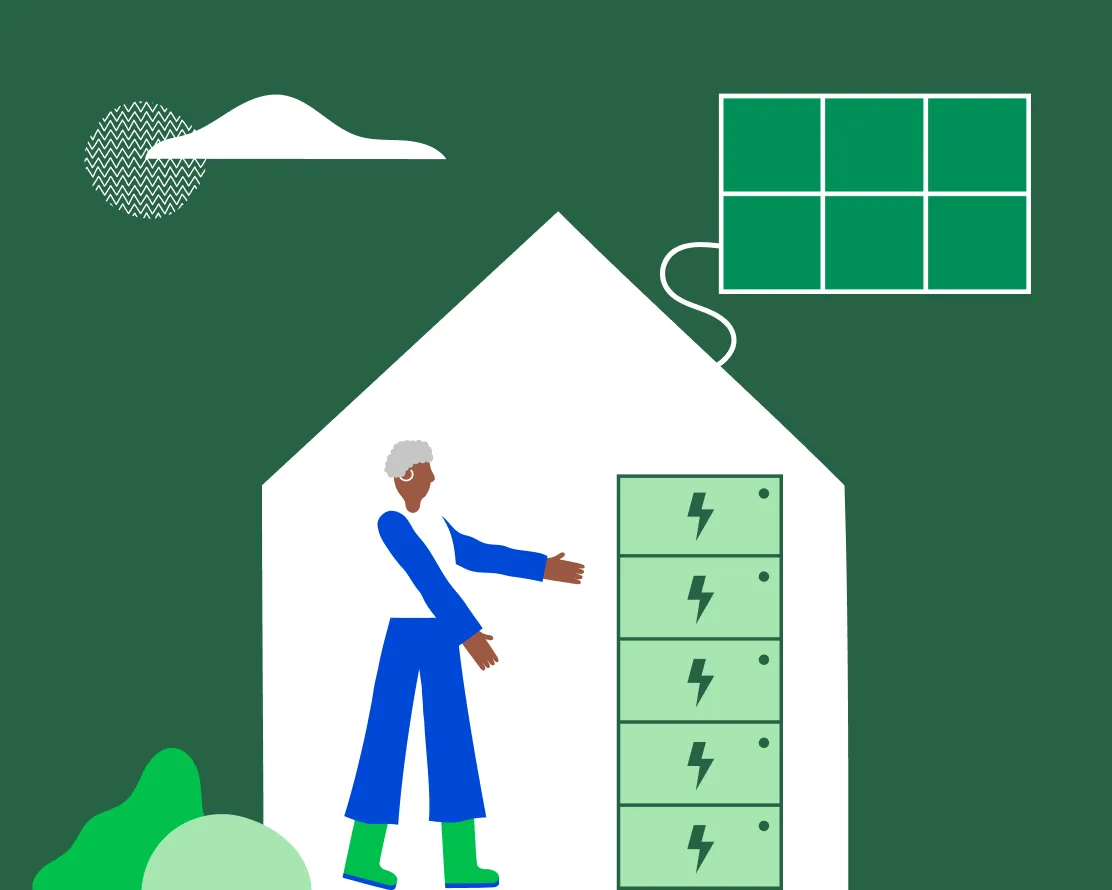
Photovoltaic storage batteries are an increasingly widespread solution in Italy because they help you make the most of the Energy produced by photovoltaic panels without changing your habits. The result? More self-consumption, less Energy drawn from the grid, therefore a lighter bill, with benefits also in reducing waste and emissions in total comfort.
Do you want to understand whether storage is the right choice for you and how to choose batteries? Here are 5 questions and answers to guide you, step by step.
What is a photovoltaic storage system?
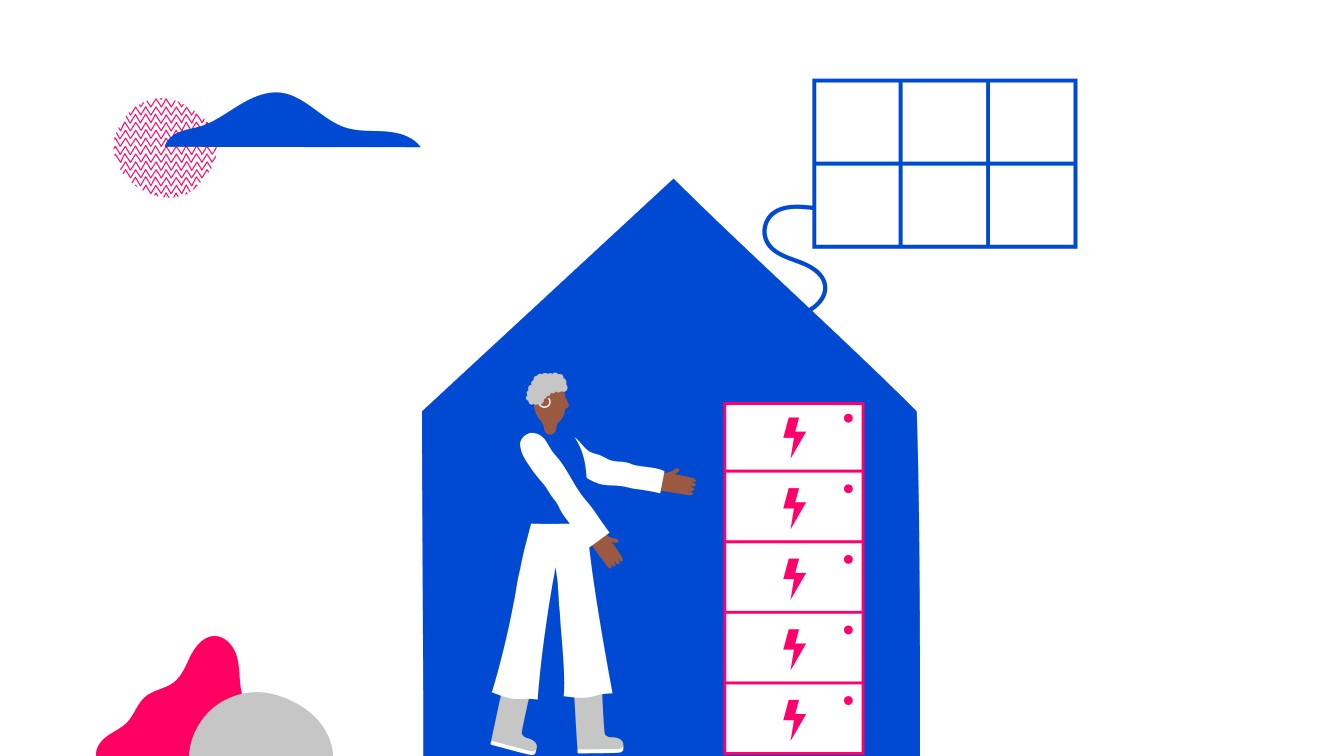
A storage system (or energy storage system) allows you to store in batteries the excess Energy produced by photovoltaic panels and use it when needed. Without storage, the unused and therefore excess Energy is fed into the grid. With storage batteries, instead, you can use it in the evening, at night or when production is lower (for example on cloudy days), increasing self-consumption and reducing dependence on the grid. In this way, you can more easily cover household consumption or, where applicable, recharge an electric vehicle.
What is storage used for?
In a photovoltaic system, a storage system is used to better use the Energy produced by photovoltaic panels and to reduce withdrawals from the grid. But what does this choice translate into?
More self-consumption: because excess Energy is stored and used when needed;
Less dependence on the grid: by covering part of consumption even when the system is not producing;
Greater efficiency of use: by maximising the potential of the photovoltaic system and the resulting Energy saving, without having to change your consumption habits;
Savings on the bill: by reducing the kWh withdrawn from the grid, which can result in overall savings on the bill.
What does the installation cost depend on
What does the installation cost depend on
The installation cost mainly depends on the system power, battery capacity and installation complexity. Today, however, photovoltaic solutions with or without storage are now simple, well-established and based on standard configurations, with structured and easily comparable offers, such as those in Enel’s Photovoltaic range.
How do storage batteries work?
Storage batteries work in a simple but ingenious way, with a charge and discharge mechanism.
When the system produces more Energy than is being used, the battery charges in direct current;
When production decreases or is absent, the battery discharges and supplies Energy to the loads;
In this process, the inverter is central: it converts the direct current from the panels and batteries into alternating current and manages the flows between the system, the battery and consumption.
From a technical point of view, batteries can also be integrated into existing systems.


Integration with other devices
Can a storage system be integrated with other devices? Yes, here are two examples:
Combination with an electric vehicle charging station: to use the stored Energy even when the system is not producing;
Integration with a heat pump: helping to optimise consumption and the Energy efficiency of the entire heating system.
Which batteries are used in photovoltaic systems (and how long do they last)?
Today, in residential photovoltaic systems, lithium batteries are mainly used. They offer high Energy efficiency (around 90% or more) and are designed to last several years. On average, their useful life is around 10–15 years, in line with the warranties offered by the main manufacturers, and they require very little maintenance. To preserve performance over time, however, remember that storage batteries must be installed in protected, cool and ventilated environments, following the manufacturer’s and installer’s instructions.
How to evaluate storage batteries for your system?
Choosing the right storage battery for your system is an essential step to install a high-performance and efficient storage system.
Let’s see how to do it:
Analyse your consumption, especially during the evening and night hours, when the photovoltaic system produces less;
Assess the Energy fed into the grid during daylight hours: if the feed-in is high, a storage system can be an excellent solution to make use of it;
Rely on Enel for high-quality and complete management of your storage system, from installation to assistance.
What features to consider
To evaluate storage batteries, keep these aspects in mind:
Technical characteristics, such as capacity, efficiency and warranties;
Battery technology, with lithium now the most widespread in the residential sector and other solutions suited to specific needs;
Product reliability, also through comparison with qualified installers and the experiences of other users.
Verify ZIP Code
Enter the ZIP code of the residence for which you want to activate the offer and check if you're eligible. If the result is positive, you can proceed with the subscription.


Ci dispiace! Sembra che il tuo CAP non rientri tra quelli in cui è possibile sottoscrivere l’offerta
Find out what type of Fiber is available at your address
With Enel Energia Fiber, you always surf at the highest speed available. Enter your address and discover the details of your new connection.
Ci dispiace! L’indirizzo che hai inserito non è ancora raggiunto dalla fibra di Enel Energia
In questo momento non è possibile attivare l’offerta sull’indirizzo indicato perché non è raggiunto dalla fibra di Enel Energia. Puoi sempre verificare un altro indirizzo.
Qualcosa è andato storto
Riprova più tardi
Discounted offer
By purchasing the air conditioner, you’ve unlocked an exclusive discount code and are entitled to a reward. Enter the code to receive a €360 bill bonus with the Formidabile Luce offer tailored for you.

The offer includes a Power contract with a €10 monthly bill bonus for 36 months and an air conditioner starting from €19.90 per month. APR 7.48% and Annual Percentage Rate of Charge 7.74%.
Power

Formidabile Luce for you
The Formidabile Luce offer includes a discount on the list price of the energy component for customers switching from the Servizio di Maggior Tutela.
Locked for the first 12 months
Commercialization and Sales Fee
12 €/kWh
Air Conditioner at a Formidable Price
Purchase an Enel X air conditioning system with delivery, standard installation, and ENEA paperwork support included.*
Price air conditioner
, month

Standard installation included
ENEA paperwork support included*
The offer includes a Power contract with a €10 monthly bill bonus for 36 months and an air conditioner starting from €19.90 per month. APR 7.48% and Annual Percentage Rate of Charge 7.74%.
Power
Formidabile Luce for you
The Formidabile Luce offer includes a discount on the list price of the energy component for customers switching from the Servizio di Maggior Tutela.
Locked for the first 12 months
Commercialization and Sales Fee
12 €/kWh
*The price refers to the energy component only (VAT and taxes excluded) and is locked...