

CMOR Fee: what the Default Fee is and how to manage it

You have switched energy or gas supplier and an item you do not recognise has appeared in your new bill: “CMOR Fee”. This is not an error by the current supplier, but a mechanism regulated by ARERA to recover amounts not paid to the previous operator after switching supply. Knowing how it works allows you to verify its legitimacy, dispute it if necessary and prevent it in the future.
What the CMOR fee is
CMOR stands for Default Fee. It is compensation that allows an energy or gas supplier to recover, through the customer’s new operator, the amounts not paid before switching supply.
The system was introduced by ARERA (Regulatory Authority for Energy, Networks and Environment) with Resolution 593/2017/R/com to counter the so-called “energy tourism”: the practice of switching supplier to avoid paying the final closing bill. With the CMOR, the debt follows the customer into the new contract.
The fee can only be applied for missed payments relating to the last 5 months prior to the supplier switch date and has a minimum value of 10 euros. The amount corresponds to an estimate of the expense for 4 months among the last 12 before the switch, and cannot exceed the credit relating to the last 5 months of supply.
How the charging process works
The CMOR is managed through the Integrated Information System (SII), the national technology platform managed by Acquirente Unico (now part of the GSE – Gestore dei Servizi Energetici), which acts as the central register of the energy retail market.
The SII tracks every supplier switch, every change of account holder and every switching process, and is the official reference point for the transmission and verification of CMOR requests: only applications entered correctly in the system, within the required timeframes, result in a valid charge in the bill.
Three parties are involved in the process:
The previous supplier is the creditor that sends the request to the SII within the time limits set by the regulations.
The SII verifies that the request complies with the timing and formal requirements established by ARERA.
The new supplier receives the notification and includes the amount in the bill, acting as an obligated intermediary. It has no decision-making power over the merits of the debt and cannot cancel or reduce it on its own initiative.
The request flow
The previous supplier has a precise timeframe to activate the procedure: the request must be entered in the SII between 6 and 12 months after the switching date. The charge in the bill may also appear a few months later, due to the technical processing times of the system and the billing cycles of the new operator. What matters for legitimacy is the date the case was entered in the SII, not the date the bill was received.
When the CMOR can be requested
The charge of the CMOR fee can be requested in compliance with the conditions established by ARERA Resolution no. 593/2017/R/com. The requirements are divided into two categories:
1. Supply and credit requirements
Type of user: in the power sector, the supply must be powered at low (LV) or medium voltage (MV). In the natural gas sector, the user must fall within domestic customers, condominiums for domestic use (with consumption of up to 200,000 Smc/year) or the “other uses” category (with consumption of up to 50,000 Smc/year).
Subject of the debt and exclusions: the CMOR may exclusively concern power or gas consumption and the related taxes. Conversely, fees due for consumption recalculations due to meter malfunction, as well as debts for additional services subscribed with the previous contract (for example boiler maintenance, household appliance instalments or insurance policies), are strictly excluded from the compensation system.
2. Procedural and timing requirements
Prior formal notice: the previous operator must have sent the customer a registered letter with return receipt or a certified email constituting formal notice. This communication must clearly indicate the amount due, the payment deadline and the notice that non-payment will result in activation of the CMOR.
Time window: the compensation request must be entered in the Integrated Information System (SII) exclusively between the 6th and 12th month after the supplier switch.
| Requirement | Details and Conditions |
|---|---|
|
Minimum amount |
The debt must be equal to or greater than €10.00. |
|
Request timing |
Entry in the SII between the 6th and 12th month after the supplier switch. |
|
Debt Time Window |
Referring to missed payments for the last 5 months of supply. |
|
Prior notice obligation |
Prior sending of a registered letter with return receipt or certified email constituting formal notice. |
|
Type of Debt |
Exclusively energy/gas consumption and taxes (no extra services). |
|
Limitation period |
The debt must not be time-barred (2 years). |
Where is the CMOR found, how much does it cost and how long does it last in the bill?
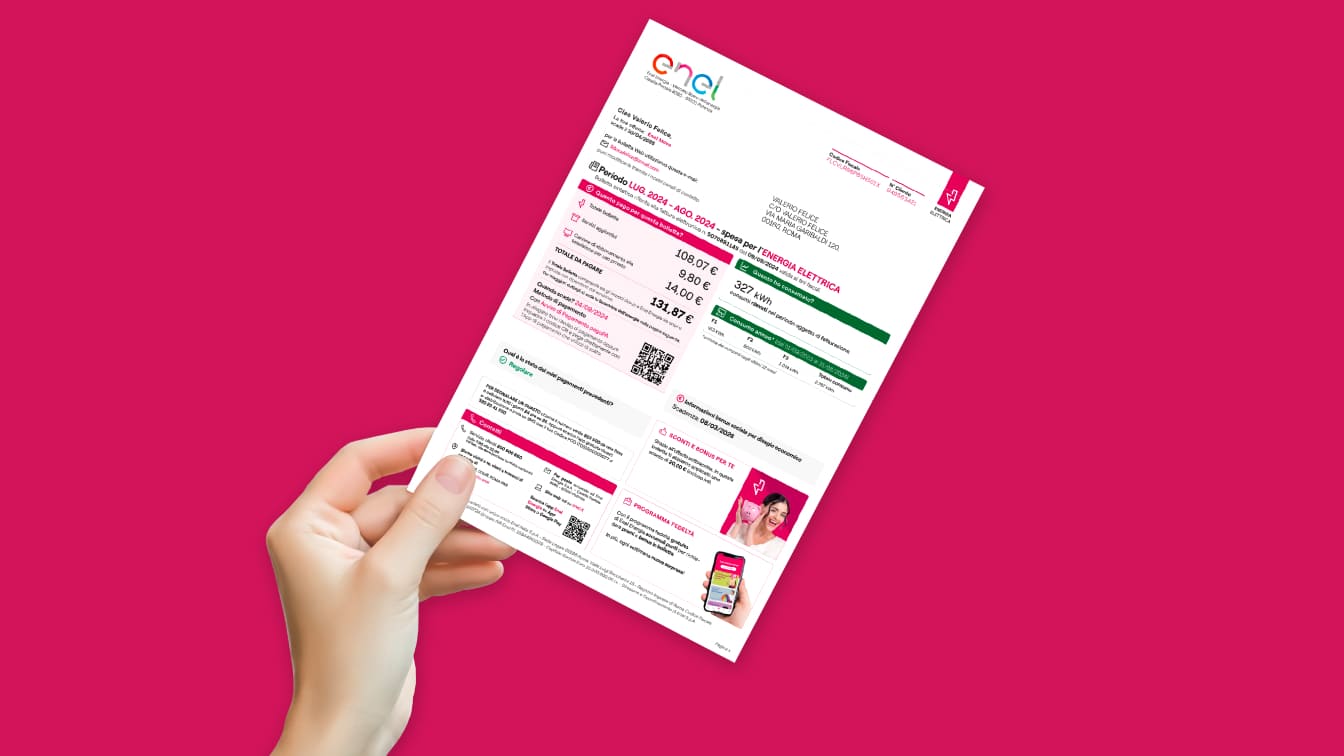
The charge of the CMOR fee is included in the bill issued by the incoming seller in the “Tax Detail” section. The value of the CMOR is not fixed: it corresponds to the compensation calculated on the unpaid bills, including the management charges for the case.


The CMOR is paid only once for each specific arrears request. It is therefore not a recurring charge, but a one-off amount linked to a specific period of previous arrears. If the CMOR concerns debts older than 2 years and no intermediate reminders have been sent, you can request to raise the two-year limitation period objection, pursuant to the regulations in force.
Let’s assume a standard monthly expense of €85. If the previous supplier were to request €120 in compensation for an unpaid closing bill, the total amount of the bill would rise to €205. To prevent this, awareness is essential: regularly monitoring payments is the most effective way to prevent simple oversights from turning, months later, into unexpected costs.

Frequently asked questions
Yes. The CMOR charged in the bill becomes part of the relationship with the new supplier. In the event of non-payment, the operator may proceed with suspension of the supply due to arrears. If you intend to dispute the amount, pay the bill and open a formal complaint separately with the previous supplier.
You are entitled to a refund of the amount unduly received. Send the previous supplier the documentation certifying the double payment: it is obliged to refund the amount.
The previous supplier has until the twelfth month after the switch to enter the request in the system. After this deadline, it loses the possibility of using the CMOR, while still being able to proceed with debt collection through ordinary channels.
You can obtain this information by contacting the ARERA Consumer Help Desk, available at sportelloperilconsumatore.it.
Ti potrebbe interessare anche ...


Verify ZIP Code
Enter the ZIP code of the residence for which you want to activate the offer and check if you're eligible. If the result is positive, you can proceed with the subscription.


Ci dispiace! Sembra che il tuo CAP non rientri tra quelli in cui è possibile sottoscrivere l’offerta
Find out what type of Fiber is available at your address
With Enel Energia Fiber, you always surf at the highest speed available. Enter your address and discover the details of your new connection.
Ci dispiace! L’indirizzo che hai inserito non è ancora raggiunto dalla fibra di Enel Energia
In questo momento non è possibile attivare l’offerta sull’indirizzo indicato perché non è raggiunto dalla fibra di Enel Energia. Puoi sempre verificare un altro indirizzo.
Qualcosa è andato storto
Riprova più tardi
By purchasing the air conditioner, you’ve unlocked an exclusive discount code and are entitled to a reward. Enter the code to receive a €360 bill bonus with the Formidabile Luce offer tailored for you.


Formidabile Luce for you
The Formidabile Luce offer includes a discount on the list price of the energy component for customers switching from the Servizio di Maggior Tutela.
Locked for the first 12 months
Commercialization and Sales Fee
12 €/kWh
Air Conditioner at a Formidable Price
Purchase an Enel X air conditioning system with delivery, standard installation, and ENEA paperwork support included.*
Price air conditioner
, month

Standard installation included
ENEA paperwork support included*