

The electric mobility revolution
Electric mobility, understood not only as electric vehicles but as a connected system of infrastructure, services, and means of transport, is a key driver of the ecological transition. Instead of traditional fossil fuels, such as diesel and gasoline, electric vehicles are powered by electricity. When the vehicle is connected to a charging device, it receives electricity, which powers the rechargeable batteries of the electric motor and reduces polluting emissions from travel.
Technological innovations, such as increasingly high-performance batteries and a constantly evolving charging network, contribute to the continuous renewal of the electric mobility sector, bringing benefits to both the environment and communities. Electric vehicles are also increasingly innovative, allowing for optimized consumption and charging with a focus on the user experience. Thanks to technologically advanced features, such as remote air conditioning control, faster charging times and fewer stops along the way, the driving experience is significantly improved and looks to the future.
The benefits of electric mobility for citizens and the environment
Electric mobility therefore exploits the potential of renewable electricity to create networks and infrastructures that efficiently connect spaces and people, improving the quality of urban life and travel and reducing air and noise pollution. Let's look at the advantages driving the electric revolution:


Environmental Sustainability
Electric vehicles have a significantly lower environmental footprint than combustion-engine vehicles; they do not have exhaust pipes and do not emit exhaust fumes while driving. The electricity used to power the batteries is increasingly produced from renewable energy sources, such as solar and wind power, which encourage the use of clean power sources. Electric vehicles are also silent and guarantee reduced noise pollution and the harmful effects on people, animals, and the environment. In a European context where transportation is the primary source of greenhouse gas emissions, the sustainable transition promoted by the Green Deal, which focuses on the electrification of transportation, could reduce pollution by over 60% by 2050.
Long-term savings
Purchasing an electric vehicle is, first and foremost, a beneficial investment because the initial cost pays for itself over time.
The absence of components such as clutches, gearboxes, and exhaust systems makes electric cars less maintenance-intensive than traditional vehicles. Furthermore, government incentives and benefits for electrification and savings opportunities with the right power offers further enhance long-term savings.
In Italy, each region provides funds for electric mobility through seasonal tenders and offers vehicle tax relief. In most cases, this is a five-year exemption, during which you pay nothing and after which you only pay 25% of the tax. For Piedmont and Lombardy, however, the exemption is indefinite.
The economic benefits also extend to urban traffic, with electric cars being able to access restricted traffic zones and discounted parking in some Italian cities, allowing you to travel freely even on eco-friendly Sundays.
The savings are even greater with home charging for your electric vehicle, which allows you to independently manage your refueling based on the times of day when energy consumption is typically lower, such as at night. However, if you don't want to pay an initial cost, there's always the option of renting an electric car long-term.
Smarter and more efficient management of urban travel
Electric cars play a key role in the development of smart cities, cities that use advanced technologies to improve quality of life and energy efficiency. Thanks to the integrated use of apps and digital services to manage travel, electric cars are at the forefront of this change. But which urban aspects are improved?
- Traffic Management: Data collected from electric vehicles and charging infrastructure can be used to optimize traffic flows, reduce congestion, and improve travel times.
- Energy Efficiency: Smart grids can optimally manage electric vehicle charging, avoiding overloads and better integrating energy produced from renewable sources.
- Urban Planning: Information on electric mobility can help urban planners make more informed decisions about infrastructure development, public transportation, and restricted traffic zones.
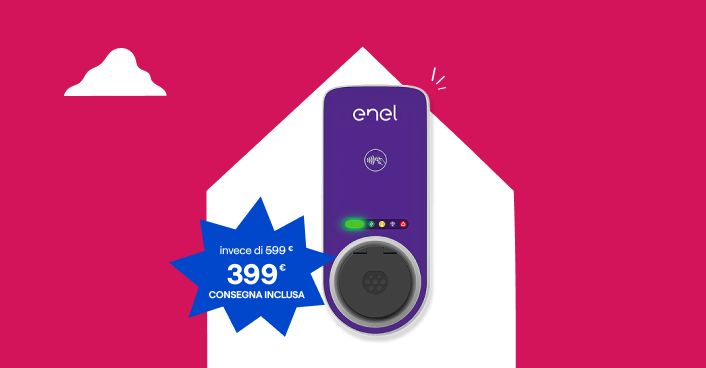
Charging Infrastructure: Where Are We in Italy?
Let's not forget that the growth of electric mobility is closely linked to the spread of charging infrastructure, which varies in charging power and, therefore, in electricity recharge times. Those intended for public charging are divided into:
- Public alternating current (AC) charging stations: These are often found in public parking lots, shopping centers, or along urban streets. They average power ranging from 22 to 43 kW and offer slower charging, suitable for extended stops. A vehicle with medium-capacity batteries (30-40 kWh) charged at one of these stations reaches 80% of its potential battery capacity in about 2 hours.
- Direct Current (DC) Fast and Ultrafast Stations: These are rapid (up to 100 kW) and ultra-rapid (over 100 kW) charging infrastructures, mainly located along highways or major roads. They allow you to charge your car very quickly, from 30 minutes to an hour, making them perfect for long journeys.
In recent years, the number of charging stations in Italy has increased significantly, doubling compared to 2022 with a share of more than 60,000 active points at the end of 2024. In particular, there is an excellent growth trend in DC fast charging points (+47% compared to December 2023), with the installation of 6,494 new DC infrastructures in 2024.
This evolution is in line with the decarbonization objectives of MASE (Ministry of the Environment and Energy Security), which include the installation of 21,000 new public charging infrastructures by 2025 throughout the country, especially in large cities. Italy is keeping pace with the rest of Europe, ranking fourth in terms of the prevalence of charging points relative to the current fleet of vehicles. Charging points are also well distributed across the national road network, allowing electric vehicle drivers to find a charging point every 4.2 km.
From 2024, all public charging stations in the country will be mapped by the National Single Platform (PUN), the MASE's dedicated institutional portal, for better access to the national electricity infrastructure network.
Electric mobility is constantly evolving, with growing expansion in urban centers thanks to Italian and European policies supporting the decarbonization of transport. Although there are still some obstacles along the way, such as the somewhat uneven distribution of charging infrastructure between urban and rural areas, the future looks to electric vehicles.
Verify ZIP Code
Enter the ZIP code of the residence for which you want to activate the offer and check if you're eligible. If the result is positive, you can proceed with the subscription.


Ci dispiace! Sembra che il tuo CAP non rientri tra quelli in cui è possibile sottoscrivere l’offerta
Find out what type of Fiber is available at your address
With Enel Energia Fiber, you always surf at the highest speed available. Enter your address and discover the details of your new connection.
Ci dispiace! L’indirizzo che hai inserito non è ancora raggiunto dalla fibra di Enel Energia
In questo momento non è possibile attivare l’offerta sull’indirizzo indicato perché non è raggiunto dalla fibra di Enel Energia. Puoi sempre verificare un altro indirizzo.
Qualcosa è andato storto
Riprova più tardi
By purchasing the air conditioner, you’ve unlocked an exclusive discount code and are entitled to a reward. Enter the code to receive a €360 bill bonus with the Formidabile Luce offer tailored for you.


Formidabile Luce for you
The Formidabile Luce offer includes a discount on the list price of the energy component for customers switching from the Servizio di Maggior Tutela.
Locked for the first 12 months
Commercialization and Sales Fee
12 €/kWh
Air Conditioner at a Formidable Price
Purchase an Enel X air conditioning system with delivery, standard installation, and ENEA paperwork support included.*
Price air conditioner
, month

Standard installation included
ENEA paperwork support included*