Does it pay to buy an electric car?
In recent years, electric cars have been gaining in popularity, not only for their performance, but also for the economic and environmental benefits they offer. The transition to electric mobility is supported by a number of benefits that go beyond mere cost savings. Imagine a future in which cities are quieter, the air is cleaner, and you can save significantly on fuel and maintenance costs. If you are curious to find out all the reasons why an electric car can make a difference, read on.
Electric charging in Italy in 2025
Recent market research from Idealista(2024) reveals that only 38% of Italians have a garage with a dedicated electricity meter. If you fall within this percentage, however, you have an advantage when it comes to embracing sustainable mobility: savings.
And let's not forget that if you want to charge on the road, there is no need to worry: Italy, in fact, had around 65,000 public charging stations by December 2024, making it one of the most virtuous countries in the ranking of available charging points for electric vehicles on the road. This report highlights the great strides that have been made to achieve accessible infrastructure.
Economic and environmental benefits
Electric cars are known for costing significantly less per kilometre than internal combustion vehicles, mainly due to the lower cost of electricity compared to conventional fuels and the higher efficiency of electric motors.
Maintaining an electric car is also less expensive due to the reduced complexity of electric motors, which have fewer parts subject to wear and tear than internal combustion engines.

According to data released by Consumer Reports:
Savings on fuel costs: owners of electric vehicles with a range of 250 miles or more (i.e. more than 400 km) will be able to do 92 per cent of their recharging at home, needing only six public fast recharges per year. On average, an electric vehicle driver will spend 60% less on powering their car than someone who drives a petrol car.
Savings on maintenance costs: owners of electric vehicles spend half as much as owners of petrol vehicles on repairs and maintenance.
Electric vehicles enjoy additional economic benefits, such as exemption or reduction of the ownership tax (road tax), which may vary from region to region and in some cases be permanent. In addition, there is a reduction in the Provincial Transcription Tax in some provinces, access to ULEZ areas and exemption from parking fees in several cities.
From an environmental point of view, electric cars make a significant contribution to reducing greenhouse gas emissions. By not emitting CO2 directly, they can greatly improve the air quality in our cities. According to data released by the European Environmental Bureau, with 75 to 150 g CO2 e/km (grams of CO2 equivalent per kilometre), the battery drive has significantly lower CO2 emissions over its entire life cycle than the conventional combustion engine, which produces 200 to 250 g CO2 e/km. For example, a medium-sized diesel car produces about three times more CO2 e/km than a comparable electric car. Moreover, the positive impact of electric cars is further amplified when they are powered by energy from renewable sources, reducing their carbon footprint even further.
According to an innovative algorithm, we are able to concretely calculate the health and environmental benefits of e-mobility. In fact, it is not enough to consider the reduction in CO2; electric mobility offers many more advantages. E-mobility Emission Saving Tool.
Charging cost
The cost of charging an electric car is another crucial aspect to consider. Charging an electric car at home is very cost effective, at around EUR 0.20-0.25 per kWh, which is significantly less than the cost of traditional fuel.
Incentives and concessions for buying and recharging your electric car
For the year 2024, the total resources earmarked for the ecobonus is EUR 640 million, of which EUR 570 million earmarked for the purchase of M1 category vehicles, including new cars with CO2 emissions not exceeding 135 g/km, divided into bands: 0-20 g/km, 21-60 g/km, and 61-135 g/km. Incentives vary depending on the emission band and whether an old vehicle is scrapped. The public response was so good that they were sold out in just one day.
In addition to the purchase incentives, the so-called 'Bonus Colonnine' [Charging point incentive] has been introduced since 2021, the new features of which are set out in the director's decree of 12 June, thanks to which an 80 per cent contribution can be obtained on expenditure, up to EUR 1,500 for private individuals and EUR 8,000 for apartment blocks. With EUR 20 million allocated, the bonus covers expenses incurred from 1 January to 31 December 2024, including electrical installations and building works. Applications can be submitted via the Invitalia platform with SPID, CIE or CNS identity documents. Take advantage of this opportunity to make your mobility greener.
Autonomy and charging times
Public charging infrastructure is growing rapidly, with more and more charging stations available throughout the country. Everyday use of an electric car is becoming easier and more practical thanks to the improved ubiquity of the charging network.
Nevertheless, one of the main doubts about electric cars is their range. Newer models, however, offer ever greater ranges, often exceeding 300 kilometres on a single charge. That is more than enough for most daily trips. Charging times are improving thanks to fast-charging technologies. Fast-charging columns, with a charging power of between 22 kW and 50 kW allow a vehicle to be charged in less than an hour, and, in addition, offer integrated cables suitable for different needs.
Challenges to be considered for the deployment of e-mobility
Despite the many advantages, the initial purchase price of an electric car is still higher than for conventional vehicles. However, this cost is often amortised over time through savings on fuel and maintenance.
Another challenge is the need to develop technologies to further improve battery autonomy and reduce charging times. Finally, it is crucial to raise public awareness of the environmental benefits of electric mobility and to promote economic incentives policies to encourage adoption.
Only through an integrated approach that addresses these issues will it be possible to see a significant adoption of electric vehicles.
Formidable offers for e-mobility
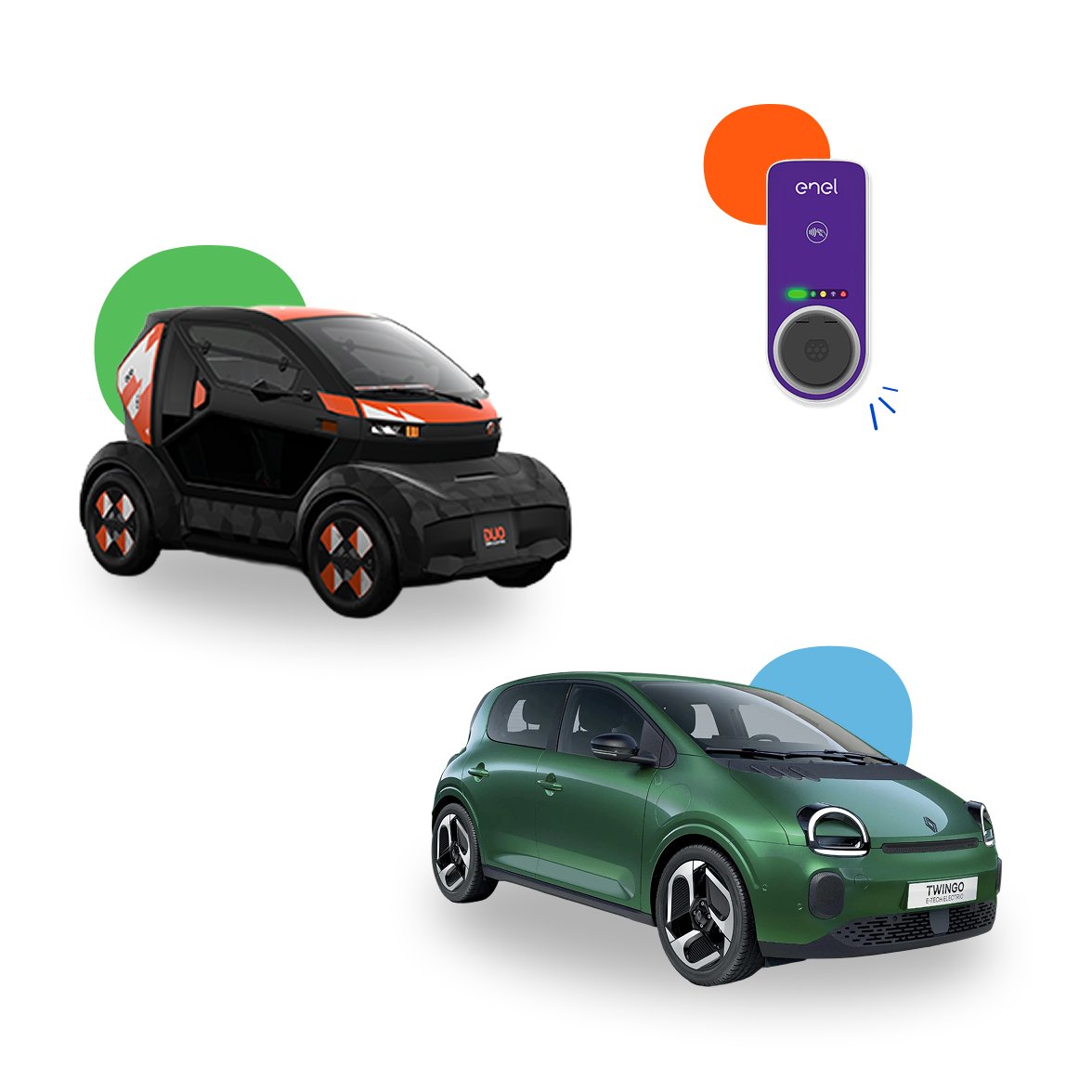
With Enel Drive you too can switch to electric mobility, taking advantage of long-term rental with Arval Service Lease Italia S.p.A. Included in the price with this offer, you get routine servicing and extraordinary maintenance, third-party liability insurance cover, cover for fire, theft and further damage with penalties, 24-hour and roadside assistance. In addition, you have access to a special offer that includes up to 8,000 km of annual recharging, thanks to a dedicated power offer that allows you not to pay the energy component for three hours a day (00:00 - 03:00) up to 1,700 kWh per year. With the Waybox connected charging station, which you receive on loan for free, you can charge your electric car directly from your home.
Waybox for home charging
Waybox is your ideal choice for electric charging at home, thanks to the high technological standards that guarantee a simple and reliable experience. With Waybox, you charge faster than with a normal socket thanks to the Load Optimisation Pro system. This system detects the consumption of the connected appliances, optimising the available power to keep the charge at its maximum. You can also easily manage your charges with the Enel X Way App, which allows you to manage your charging at home and at over 45,000 public charging points.
Investing in an electric car is a convenient choice for those seeking long-term savings, greener driving, and the benefits of government incentives.
For those wishing to switch to electric, with access to exclusive benefits, the Enel Drive offer is an opportunity not to be missed.